Featured
The 15-Second Trick For Credentials Requirements from Com...
Getting The Your Legal Rights While Undergoing How Debt I...
Fascination About "Virtual Wallets and Mobile Payments: Y...
The Single Strategy To Use For Restoring Personal Financi...

How Forms of Why Mental Health Support for Veterans Matters More Than Ever Accessible Today can Save You Time, Stress, and Money.
Table of Contents
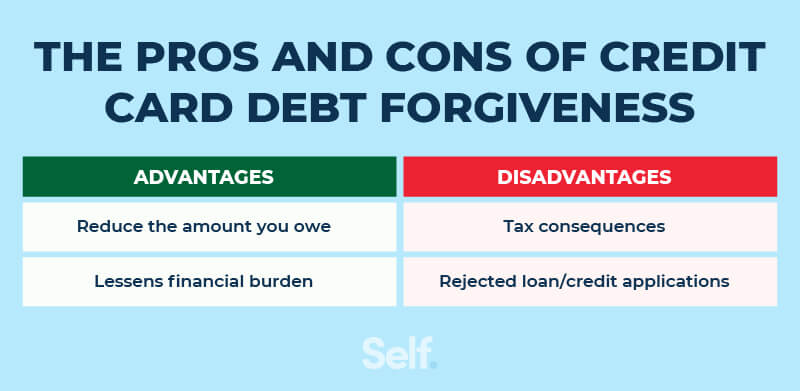
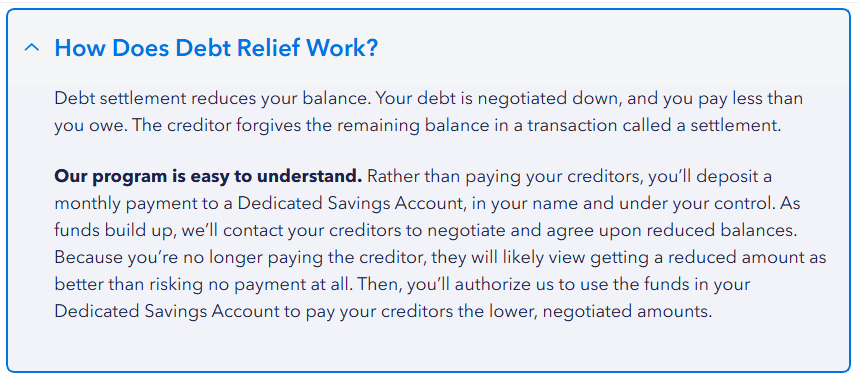
That releases up cash in the brief term, and you may have 3 to four years to conserve towards the negotiation amount. Really hazardous to credit report, mostly as a result of missed out on settlements and a negative "settled" mark that could remain on your credit scores report for up to 7 yearsMay be only option if various other options (financial obligation consolidation, equilibrium transfer charge card, debt forgiveness) aren't possibleTypically calls for a charge to the 3rd party, which can offset some or every one of the savings from financial debt settlementMay aid you stay clear of bankruptcy if you've missed a number of paymentsNot all financial institutions collaborate with financial debt negotiation business Debt mercy might be ideal for you if you are experiencing a financial challenge that makes it nearly impossible to pay down your debt equilibriums.
With a DMP, you make one month-to-month repayment to the credit history counseling firm. Those funds are after that distributed to financial institutions of your unsecured financial debts, such as bank card and installment lendings. The company collaborates with your financial institutions to reduce rates of interest or forgo charges, however some creditors may refuse such concessions.
It can assist you pay down financial obligation if you're able to safeguard a finance price that's lower than the ordinary price of the accounts you're consolidating. You must refrain from racking up financial obligation on those recently removed accounts or your financial debt can grow even greater.
That gives you plenty of time to remove or significantly reduce your equilibrium while making interest-free repayments.
The Best Guide To Building a Personalized Route to Stability
You may need it if your lender or a collection company ever attempts to collect on the financial debt in the future. When a lending institution forgives $600 or even more, they are required to send you Form 1099-C.
Financial debt mercy or settlement generally harms your credit rating. Anytime you clear up a financial obligation for less than you owe, it may appear as "resolved" on your credit history record and influence your credit report for seven years from the date of negotiation. Your credit can likewise drop significantly in the months causing the forgiveness if you fall behind on settlements.
Unknown Facts About Documents to Gather When Pursuing Why Mental Health Support for Veterans Matters More Than Ever
This circumstance usually results from underreporting revenue, not filing returns on time, or disparities found during an IRS audit. The repercussions of gathering tax obligation financial debt are significant and can consist of tax liens, which provide the Internal revenue service a legal case to your property as protection for the financial debt.
Earnings and Bank Accounts IRS can levy (seize) wages and bank accounts to please the debt. Property Seizure In severe situations, the Internal revenue service can confiscate and sell building to cover the financial debt.
Clinical depression, anxiousness, and other psychological health and wellness concerns. Social Stigma Facing legal activity from the IRS can bring social preconception. Damages to track record and relationships. Employment Opportunities An inadequate credit report due to exhaust financial debt can restrict employment possibility. Trouble searching for or keeping a task. Government Advantages Tax financial obligation might impact qualification for government benefits, such as Social Safety and Medicaid.
The smart Trick of Everything to Know During the Why Mental Health Support for Veterans Matters More Than Ever Journey That Nobody is Discussing
The OIC thinks about numerous aspects, consisting of the taxpayer's earnings, costs, possession equity, and capability to pay. Successfully negotiating an OIC can be intricate, requiring a comprehensive understanding of the IRS's guidelines and a solid argument for why your offer aligns with your ability to pay. It is essential to note that not all applications are accepted, and the procedure requires detailed financial disclosure.
The IRS analyzes your total economic circumstance, including your revenue, expenditures, possession equity, and ability to pay. You should likewise be existing with all declaring and payment demands and not remain in an open bankruptcy proceeding. The IRS also considers your conformity background, evaluating whether you have a record of prompt filing and paying taxes in previous years.
The Of Does Debt Forgiveness Suitable for Your Situation
The application process for an Offer in Compromise involves numerous thorough actions. You need to finish and send IRS Kind 656, the Offer in Concession application, and Kind 433-A (OIC), a collection information statement for individuals. These kinds require comprehensive financial details, including details about your earnings, financial obligations, expenses, and properties.
Back taxes, which are unpaid tax obligations from previous years, can substantially boost your overall internal revenue service debt otherwise attended to immediately. This debt can accumulate interest and late repayment penalties, making the initial amount owed much larger gradually. Failing to pay back tax obligations can cause the internal revenue service taking enforcement actions, such as releasing a tax lien or levy against your building.
It is essential to deal with back taxes immediately, either by paying the full quantity owed or by preparing a layaway plan with the internal revenue service. By taking positive steps, you can stay clear of the build-up of added rate of interest and fines, and stop a lot more hostile collection actions by the internal revenue service.
One typical factor is the belief that the taxpayer can pay the sum total either as a round figure or via a repayment strategy. The internal revenue service likewise considers the taxpayer's earnings, expenses, asset equity, and future earning possibility. If these factors suggest that the taxpayer can pay for to pay even more than the provided amount, the IRS is most likely to deny the offer.
4 Simple Techniques For How Why Mental Health Support for Veterans Matters More Than Ever Providers Help Clients to Reach Debt Freedom
It is critical to provide exact and complete information in your application and to consult with a tax professional to improve the opportunities of approval. Handling internal revenue service debt can be complicated and challenging. Tax experts, such as CPAs, tax obligation attorneys, or enrolled agents, can provide important help. They have the knowledge to navigate the intricacies of tax obligation legislation and IRS treatments.

Table of Contents
Latest Posts
The 15-Second Trick For Credentials Requirements from Competing Debt Relief Organizations

Getting The Your Legal Rights While Undergoing How Debt Impacts Mental and Emotional Well-Being To Work

Fascination About "Virtual Wallets and Mobile Payments: Your Complete Guide to Digital Financial Security : APFSC Is a Failure" Exposed
More
Latest Posts
The 15-Second Trick For Credentials Requirements from Competing Debt Relief Organizations
Getting The Your Legal Rights While Undergoing How Debt Impacts Mental and Emotional Well-Being To Work